Experience
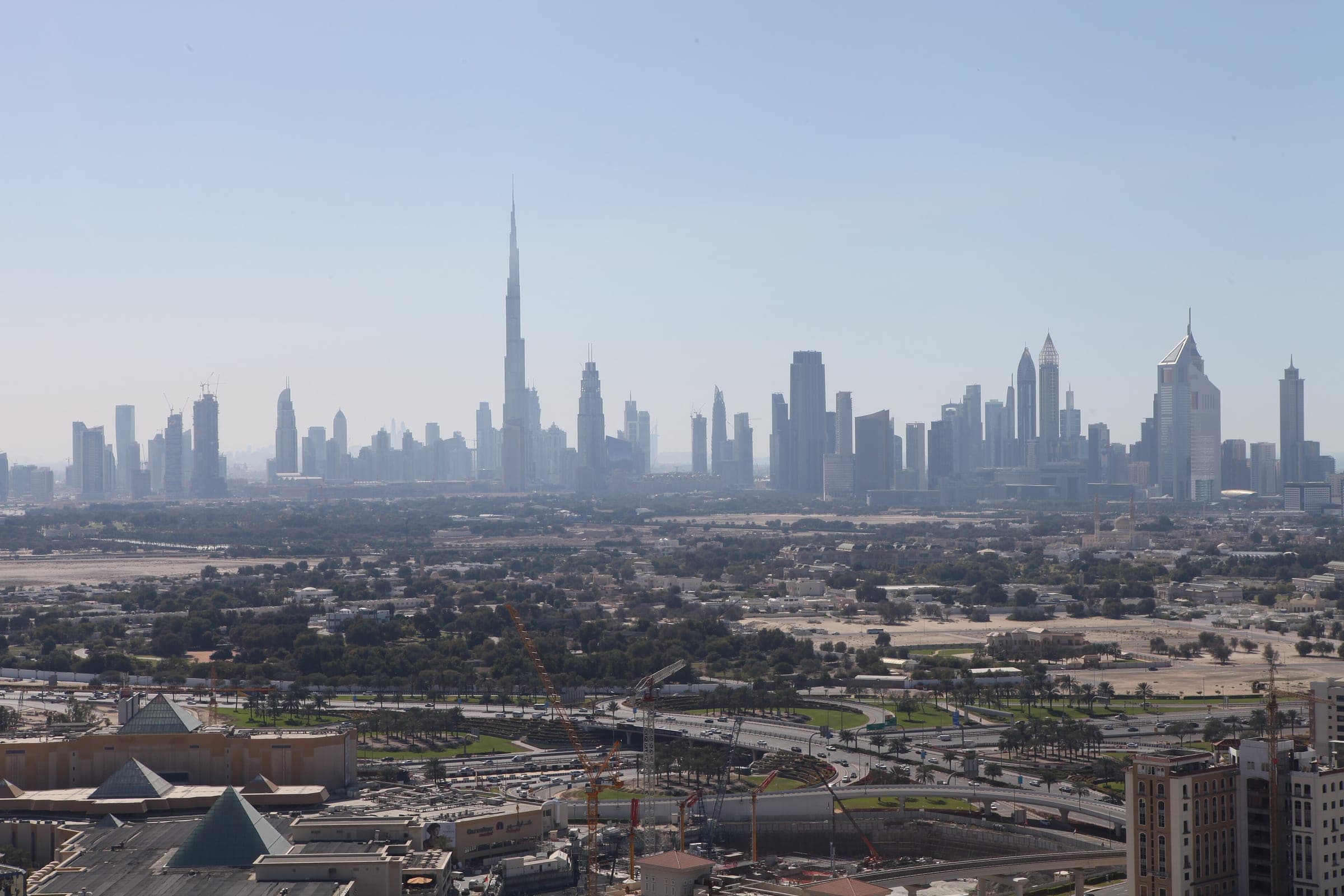
A port city that went vertical in a generation, with the tallest tower in the world and the desert forty minutes away.
Dubai grew out of a creek, the Dubai Creek, which is still the historic heart of the city: it is crossed to this day by abra, the small motorboats that serve as a river bus.
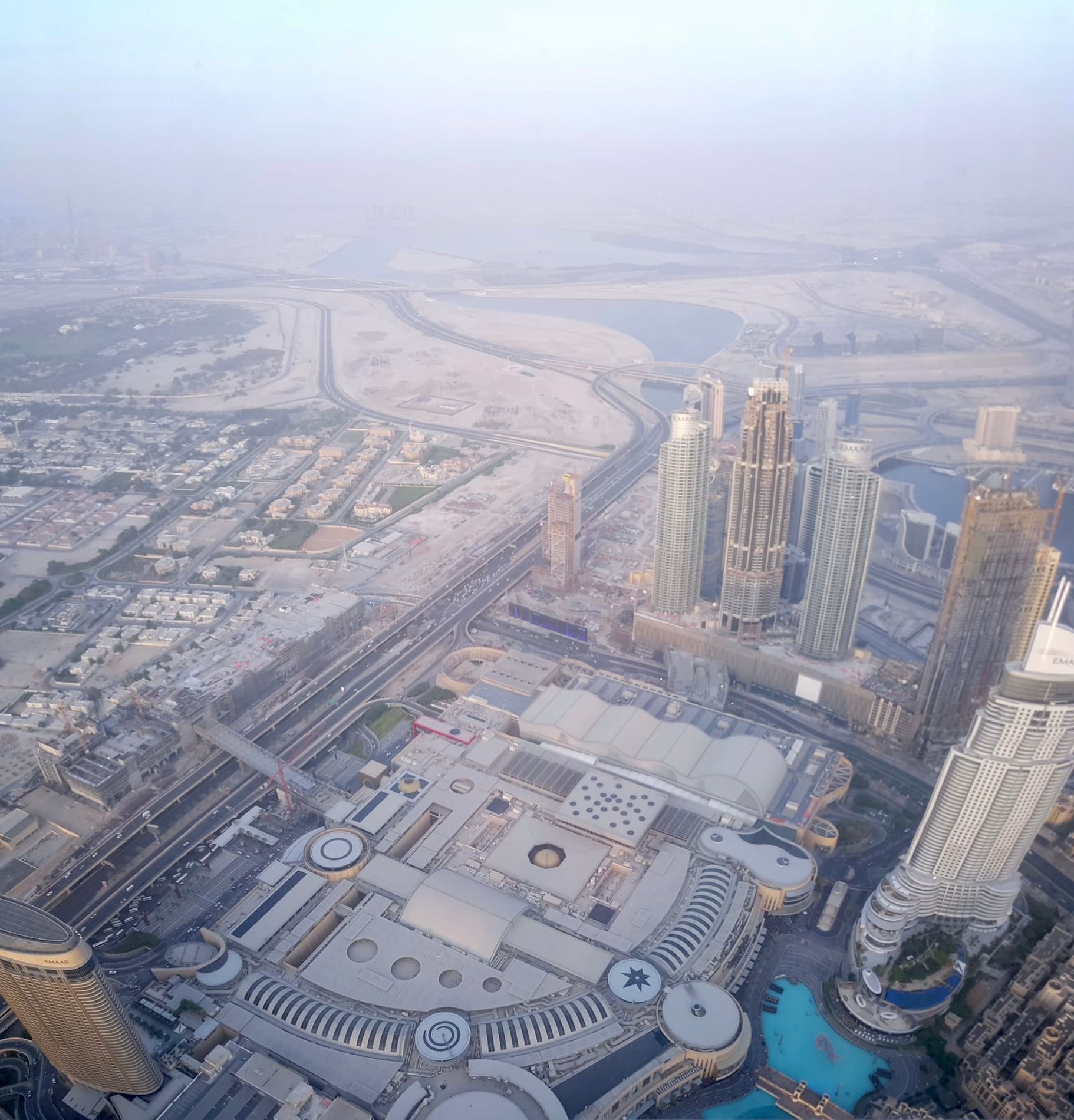
The Burj Khalifa, completed in 2010, stands 828 metres tall and remains the tallest structure ever built. It sets the scale of Downtown, with the Dubai Mall and the fountain basin at its foot.
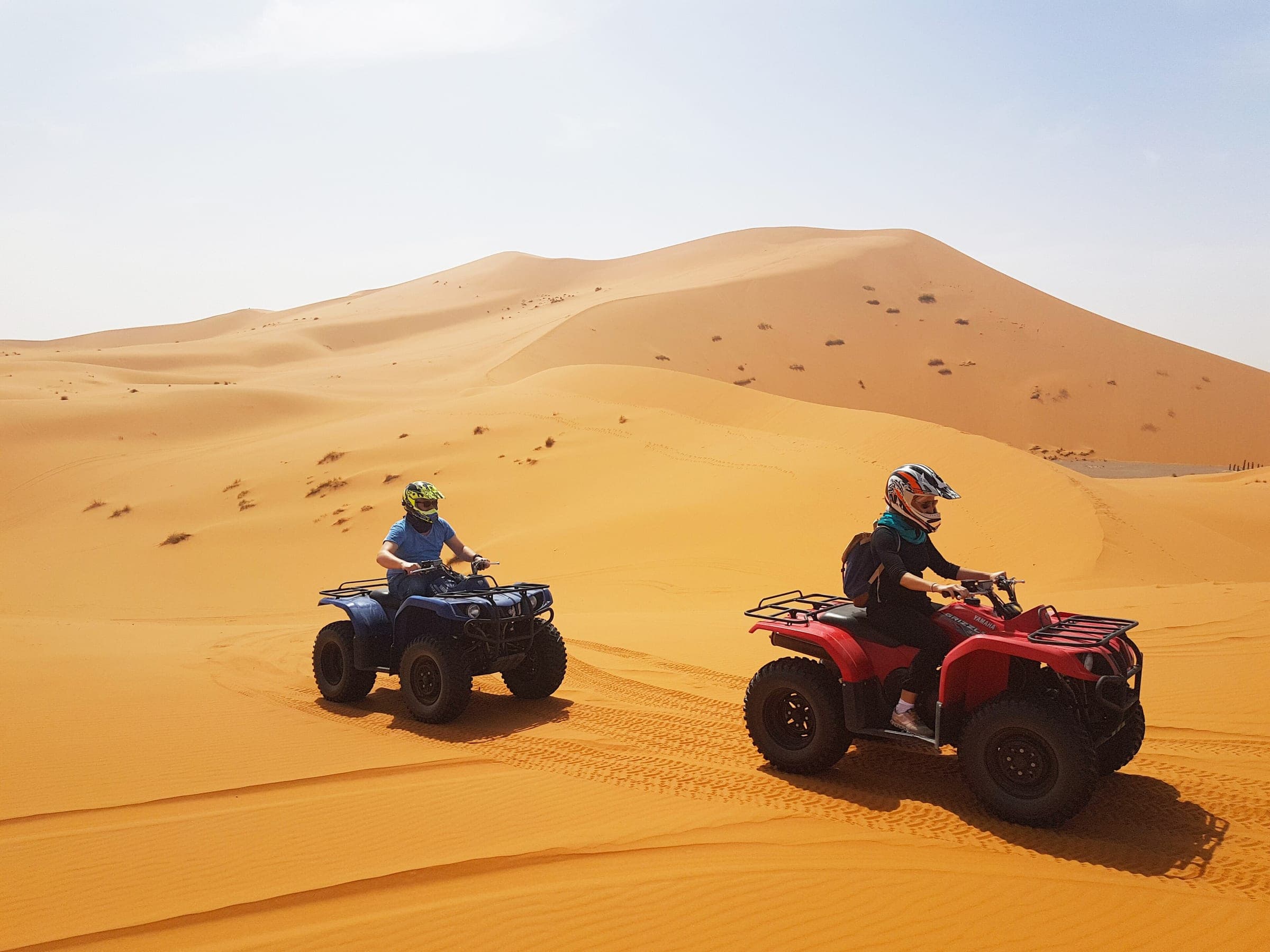
The desert begins some forty minutes from the centre. The dunes of Lahbab and the Al Marmoom reserve host 4x4 outings, dinners under canvas and balloon flights at daybreak.
828 metres; observation decks on the upper floors.
A water display on the Downtown basin, several times an evening.
The historic quarter, with its wind-tower houses.
The crossing between Deira and Bur Dubai, gold and spice souks on both banks.
An artificial island shaped like a palm, served by monorail.
Red dunes, 4x4 outings and camps south-east of the city.
November to March. From June to September days pass 40 °C with high humidity, and life moves indoors.
November to March. Temperatures are mild and every outdoor activity, the desert included, stays workable.
Four to five days let you combine the city, a day in the desert and a trip to Abu Dhabi without spending the stay in transfers.
Dress is unrestricted in hotels and on private beaches, more covered in shopping centres and traditional quarters. Shoulders and knees covered to visit a mosque.