Experience
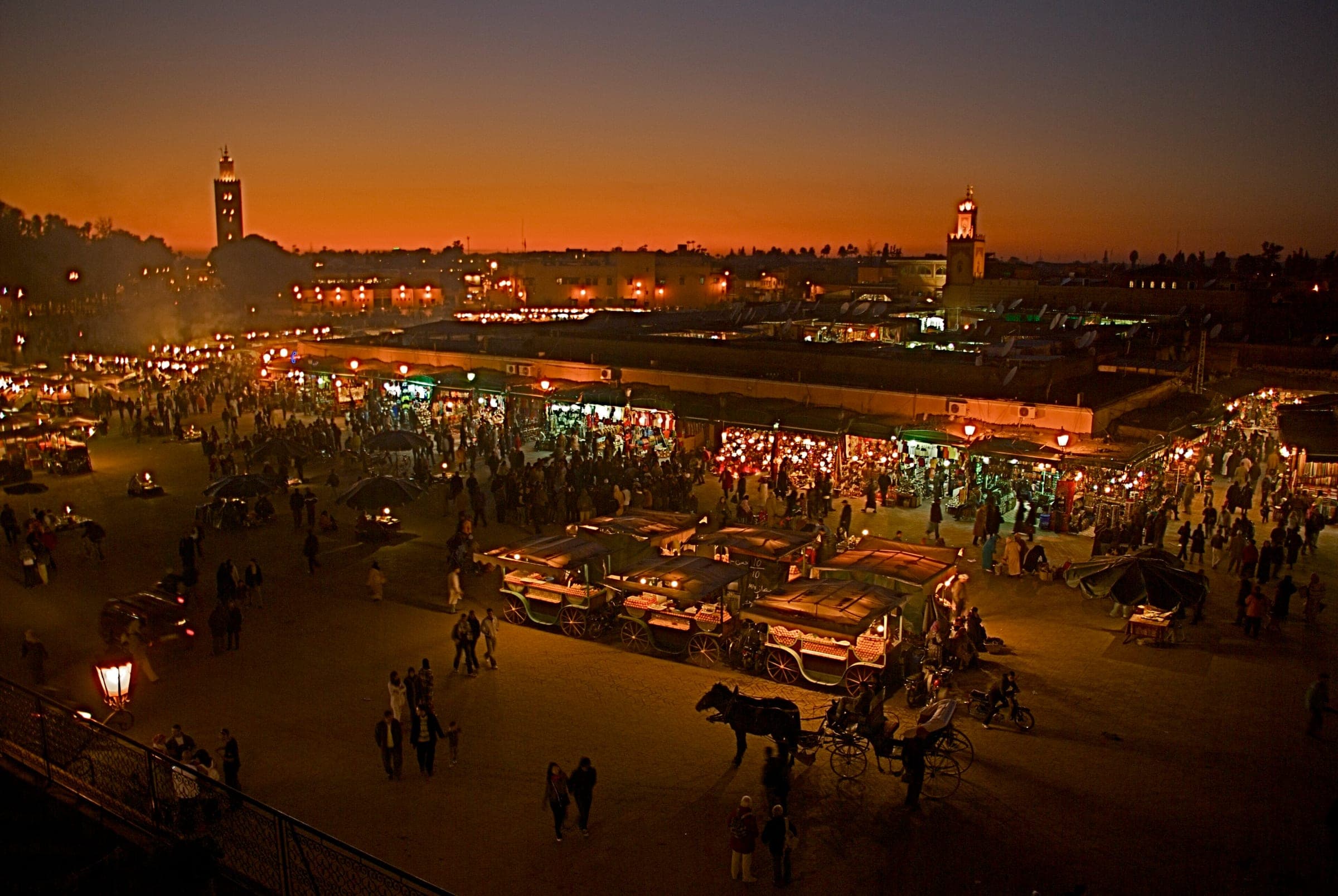
An imperial city at the foot of the High Atlas, founded in the 11th century, known for its listed medina and the square of Jemaa el-Fna.
Marrakesh was founded around 1070 by the Almoravids and was the capital of several Moroccan dynasties. Its medina has been a UNESCO World Heritage site since 1985.
The city reads in two parts: the medina, dense and closed inside its red earth walls, and the new town built from 1912 onwards, wider and greener. Both are easily covered on foot or by petit taxi.
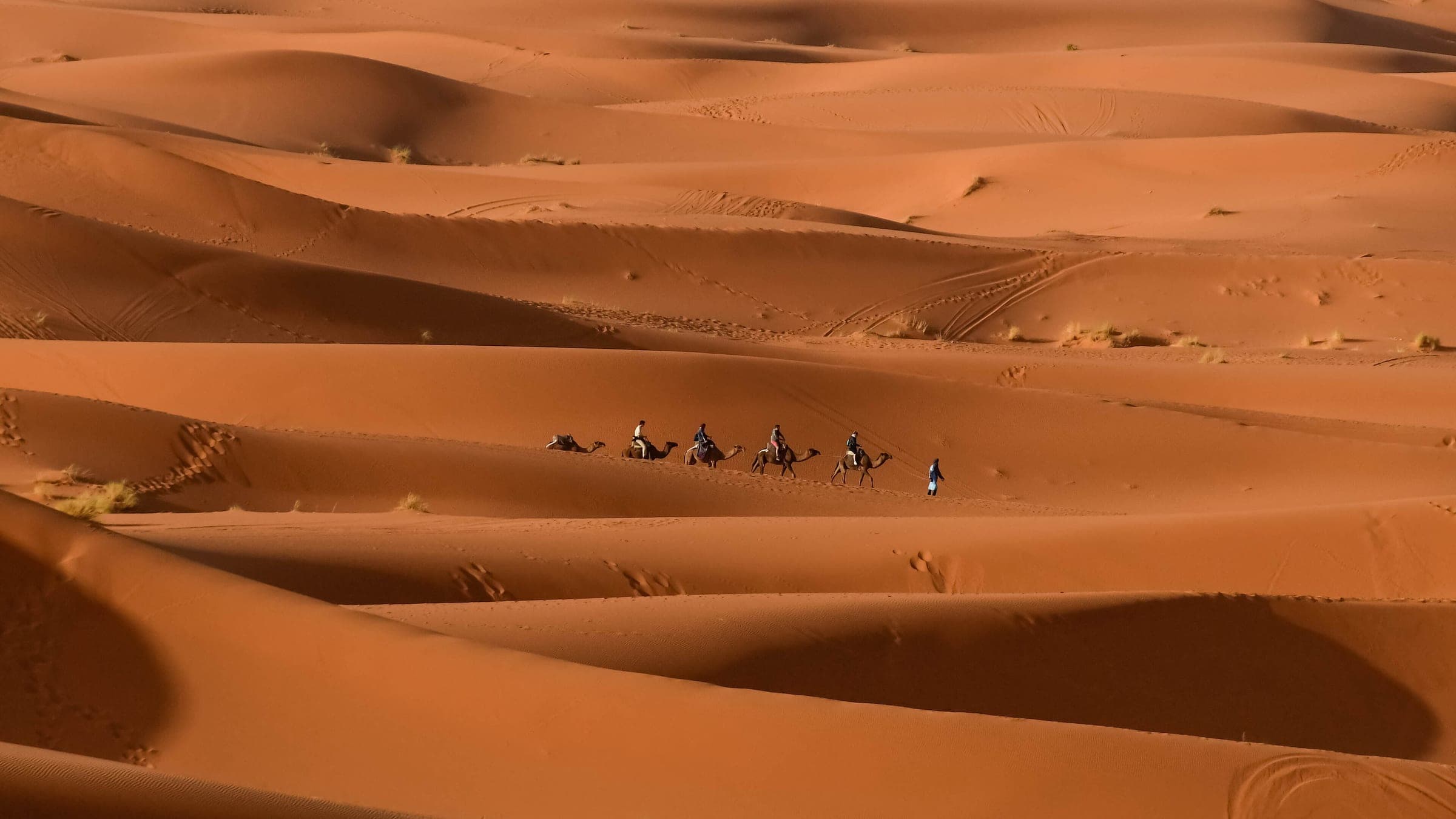
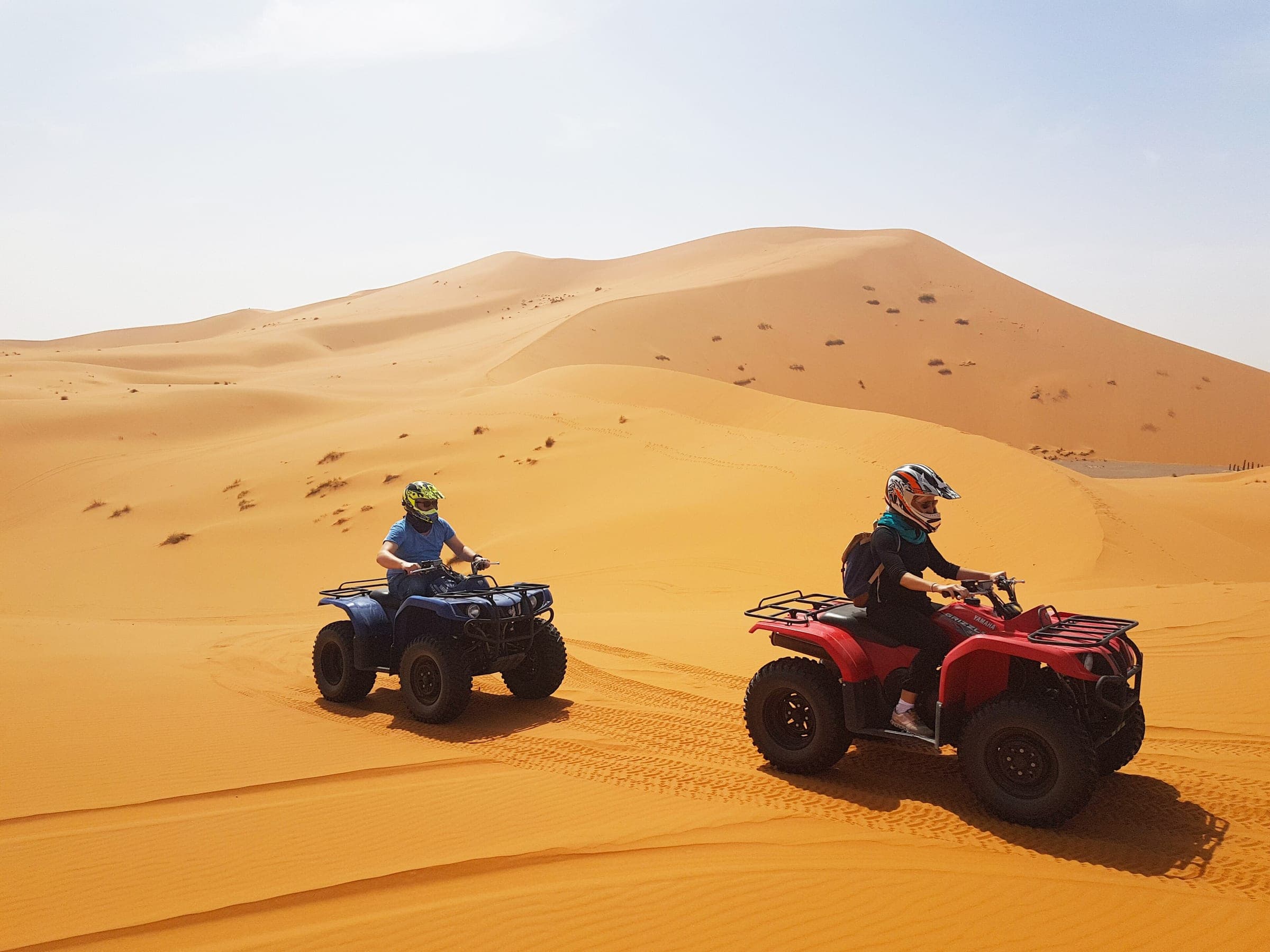
Marrakesh is also the natural starting point for the High Atlas and, beyond it, the desert: the Tizi n'Tichka road crosses the mountains towards Ouarzazate and the Draa valley.
The central square of the medina, liveliest at the end of the day.
A 12th-century Almohad minaret, visible from anywhere in the city.
A 19th-century palace: courtyards, painted ceilings and gardens.
A 16th-century necropolis, rediscovered in 1917.
A botanical garden created by Jacques Majorelle in the 1920s.
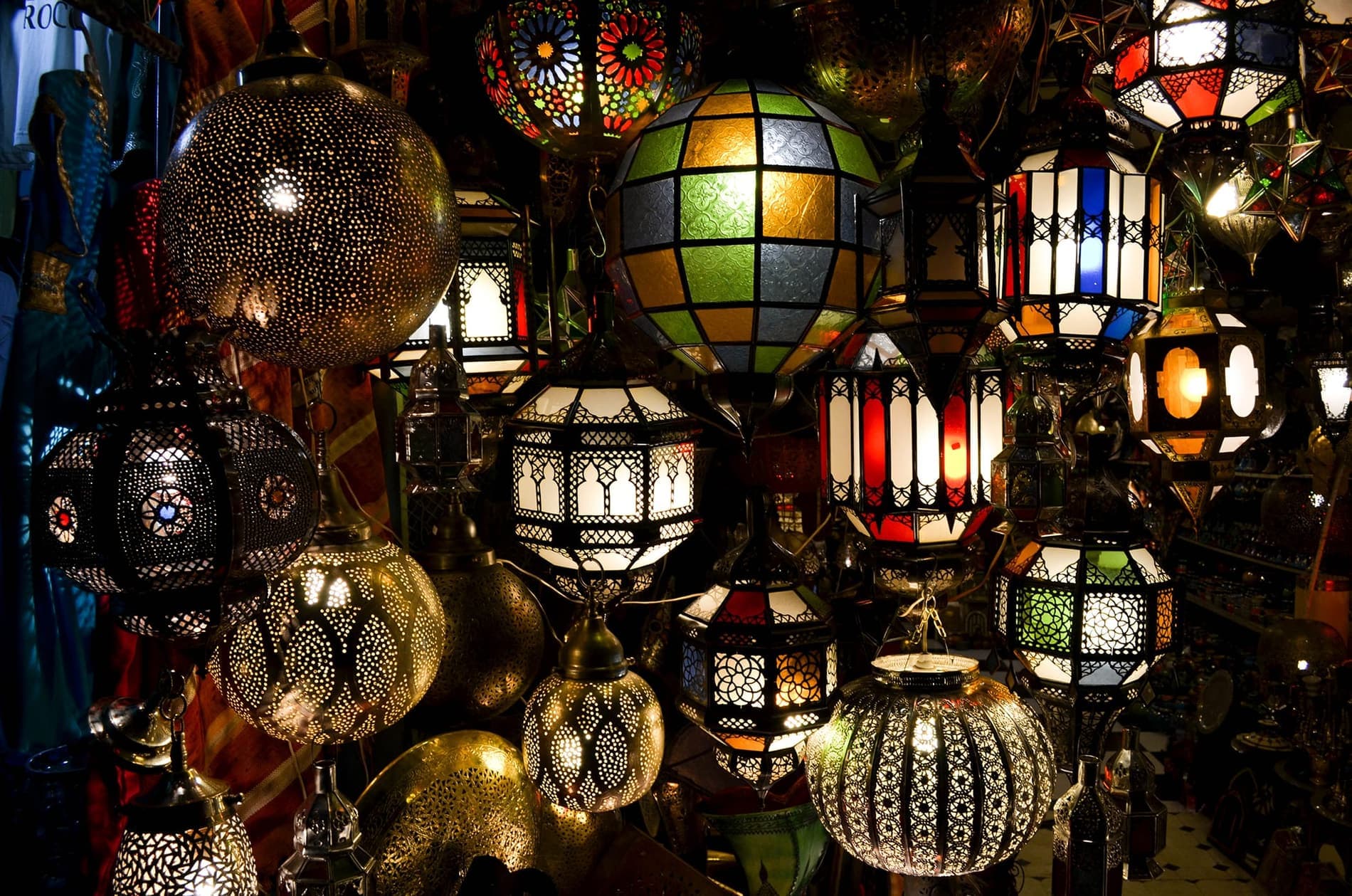
Quarters organised by trade: leather, copper, dyeing, wood.
March to May and September to November. Summer frequently passes 40 °C; winter stays mild by day and cold at night.
Three full days cover the medina, the palaces and the gardens without rushing. Allow one more if you add a trip into the Atlas or to Essaouira.
Yes for the medina, which is largely pedestrian. For the new town or the Majorelle Garden, a petit taxi is quicker.
Spring and autumn. Temperatures are mild then, whereas July and August often pass 40 °C during the day.