Experience
A city on the Strait of Gibraltar, where the Atlantic meets the Mediterranean, a little over an hour by train from Rabat.
Tangier faces the Strait of Gibraltar, some fifteen kilometres wide at its narrowest. On a clear day the Spanish coast is visible to the naked eye from the heights of the city.
Its history explains its atmosphere: administered as an international zone from 1923 to 1956, it lived for a long time under several flags at once, which can still be read in its former legations and its cafes.
The city changed scale with the port of Tanger Med and the Al Boraq high-speed line, in service since 2018: Rabat is a little over an hour away, Casablanca a little over two.
The sultan's former palace above the bay, now a museum.
The old heart of the city, between the port and the kasbah.
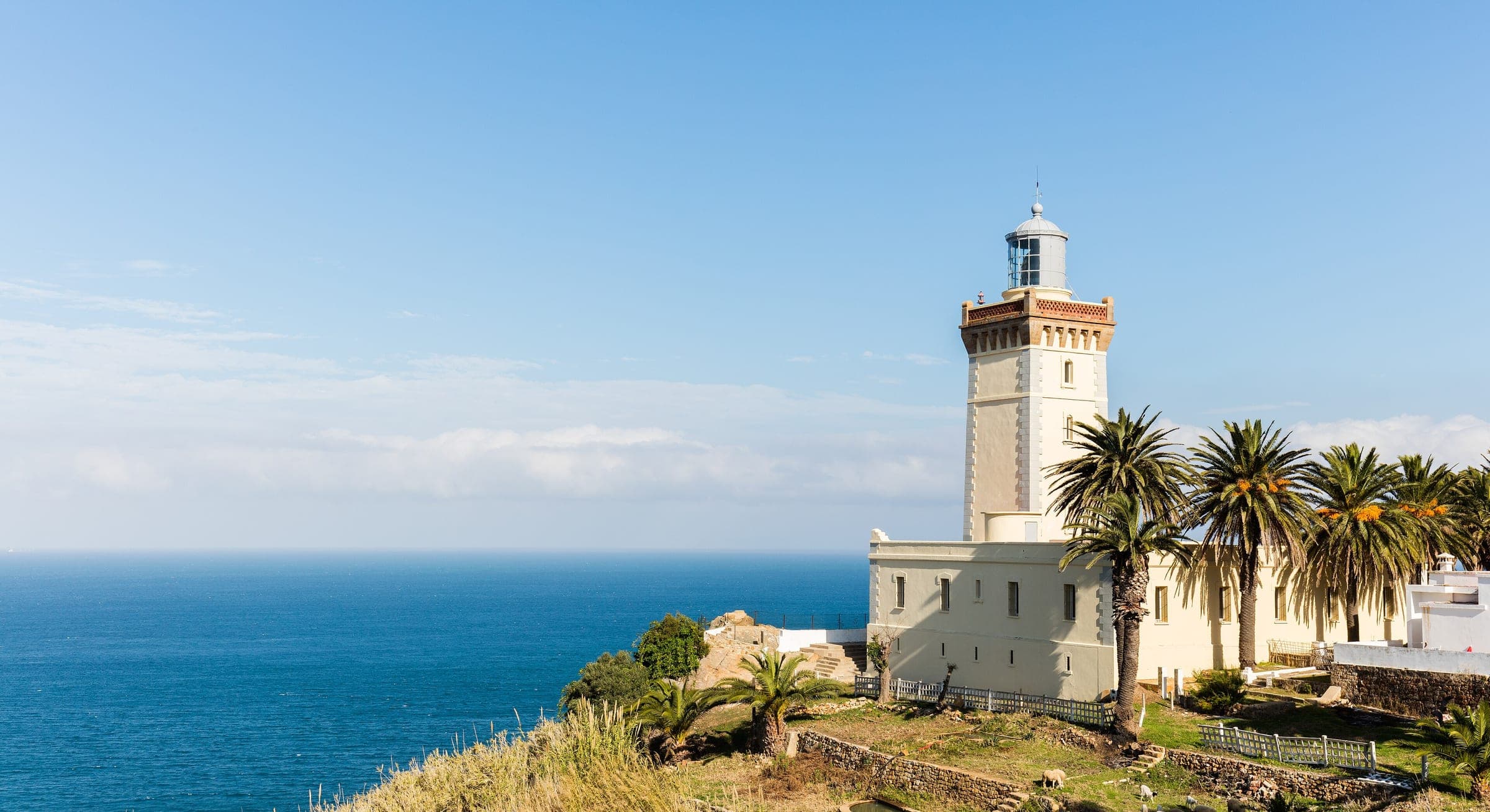
The north-west tip of the African continent; the lighthouse has worked since 1864.
Sea caves near the cape, opening onto the Atlantic.
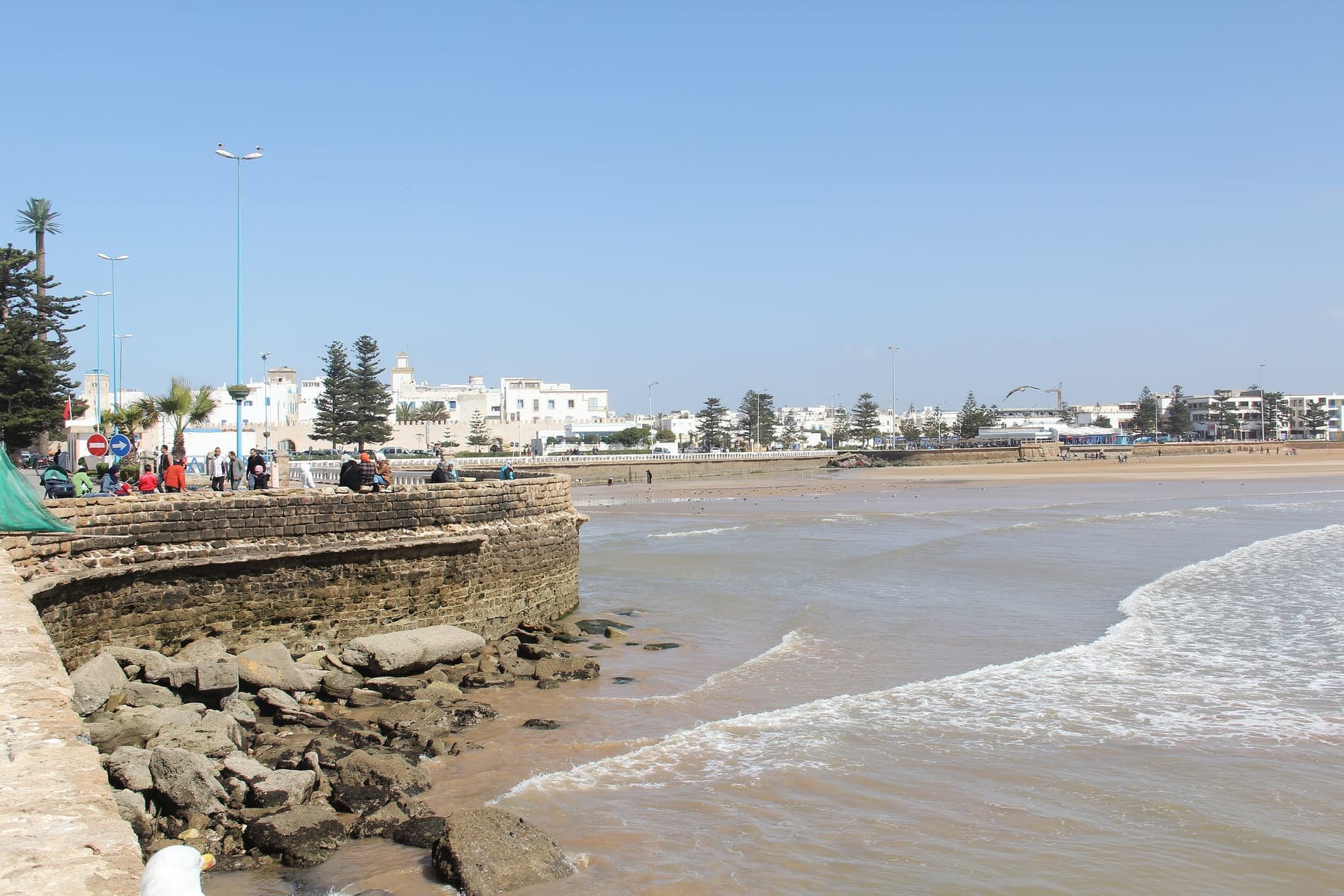
The corniche and the city beach, facing the strait.
Stepped terraces above the strait, open since the 1920s.
April to October. The climate is among the mildest in the country; winter is gentle but distinctly wet and windy.
Yes, in clear weather. The strait is only some fifteen kilometres across at its narrowest, and the Andalusian coast can be seen from Cape Spartel and from the heights of the city.
Two: one for the medina, the kasbah and the bay, a second for Cape Spartel and the Caves of Hercules. The city then combines naturally with Tetouan and Chefchaouen.
On the Al Boraq high-speed line, in service since 2018: about an hour twenty from Rabat, a little over two hours from Casablanca. The city also has its own international airport.