Hajj: the pilgrimage
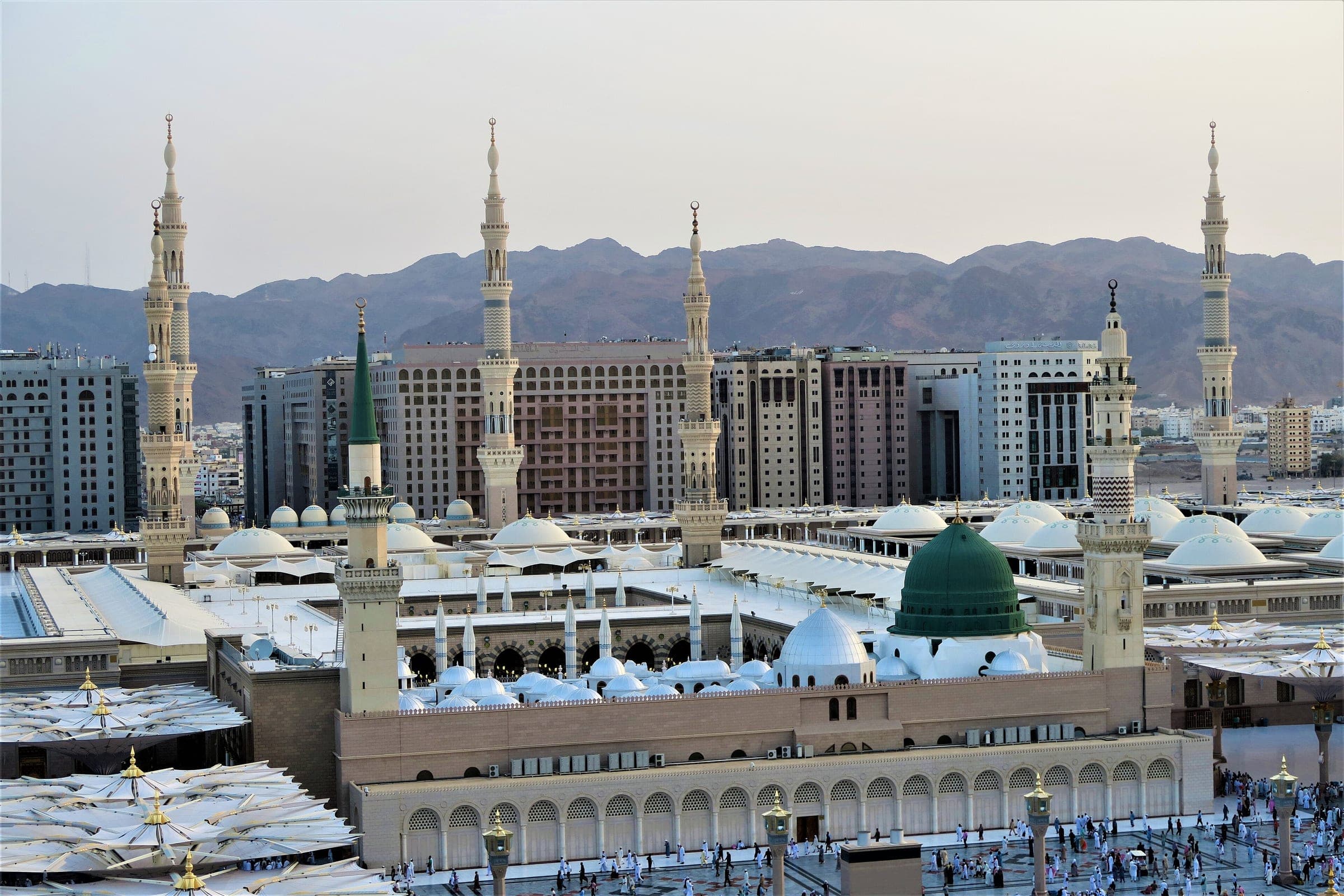
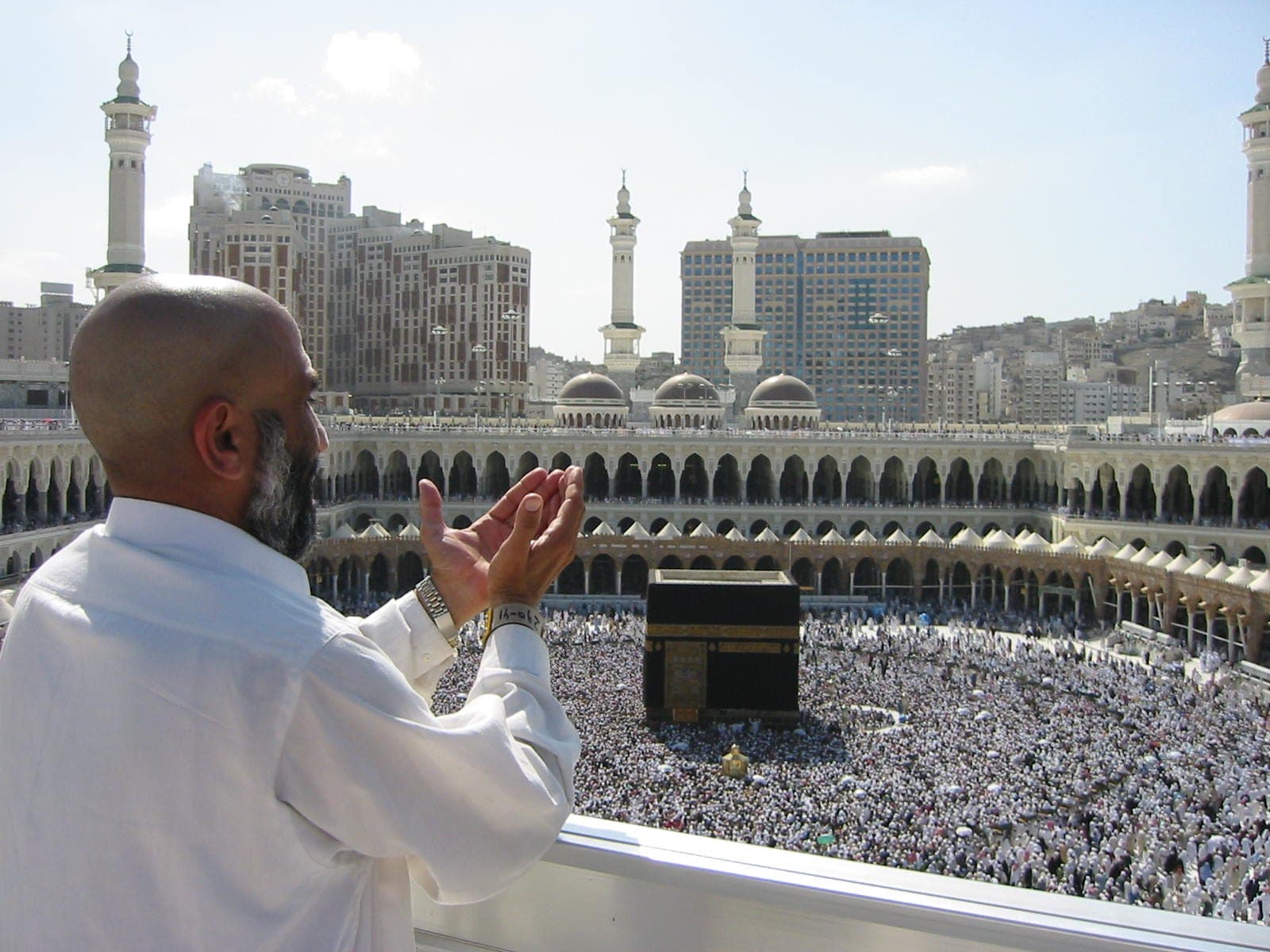
The pilgrimage on the fixed dates of Dhul Hijjah: Makkah, the stations of Mina, Arafat and Muzdalifah, then Madina.
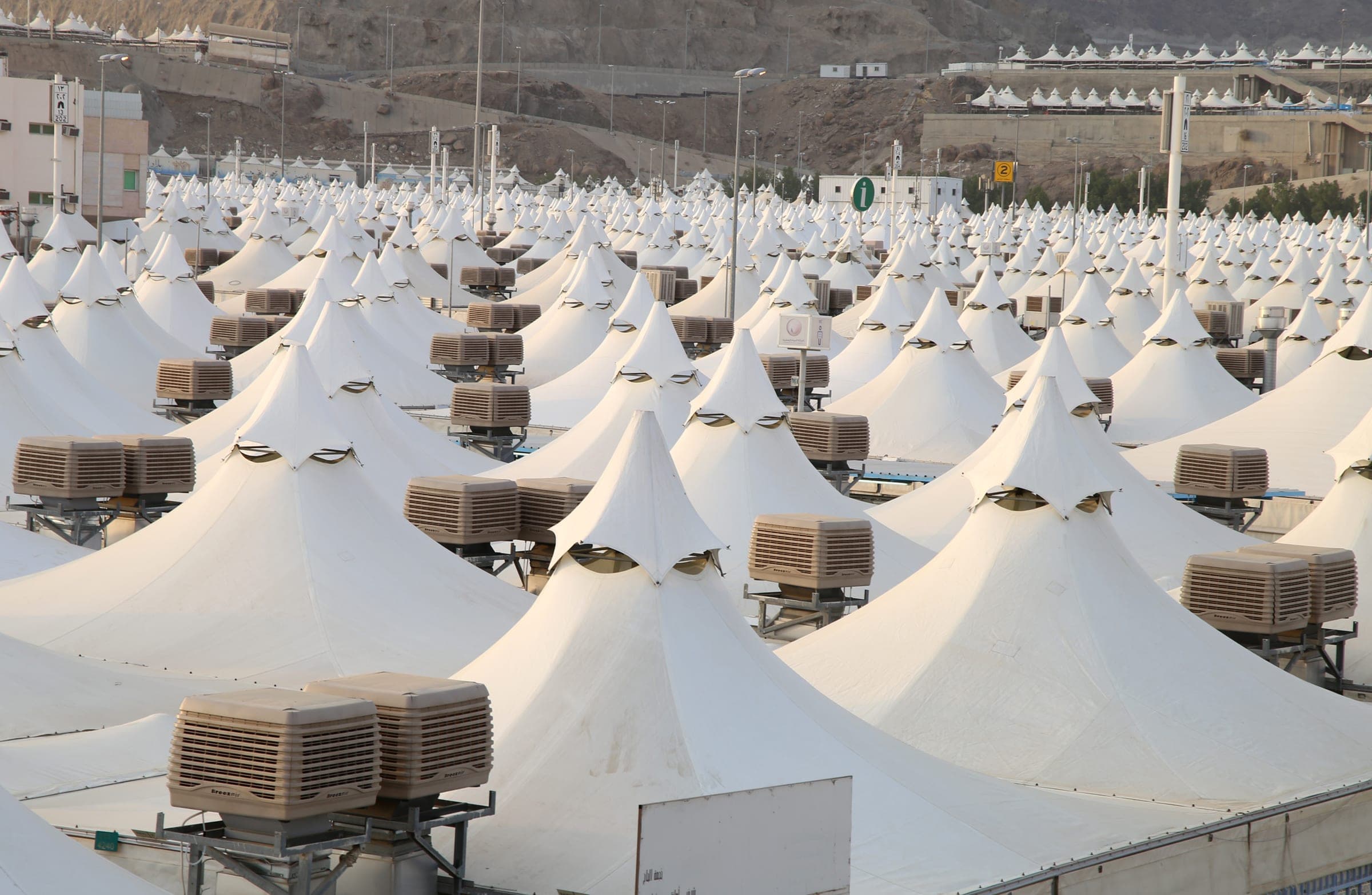
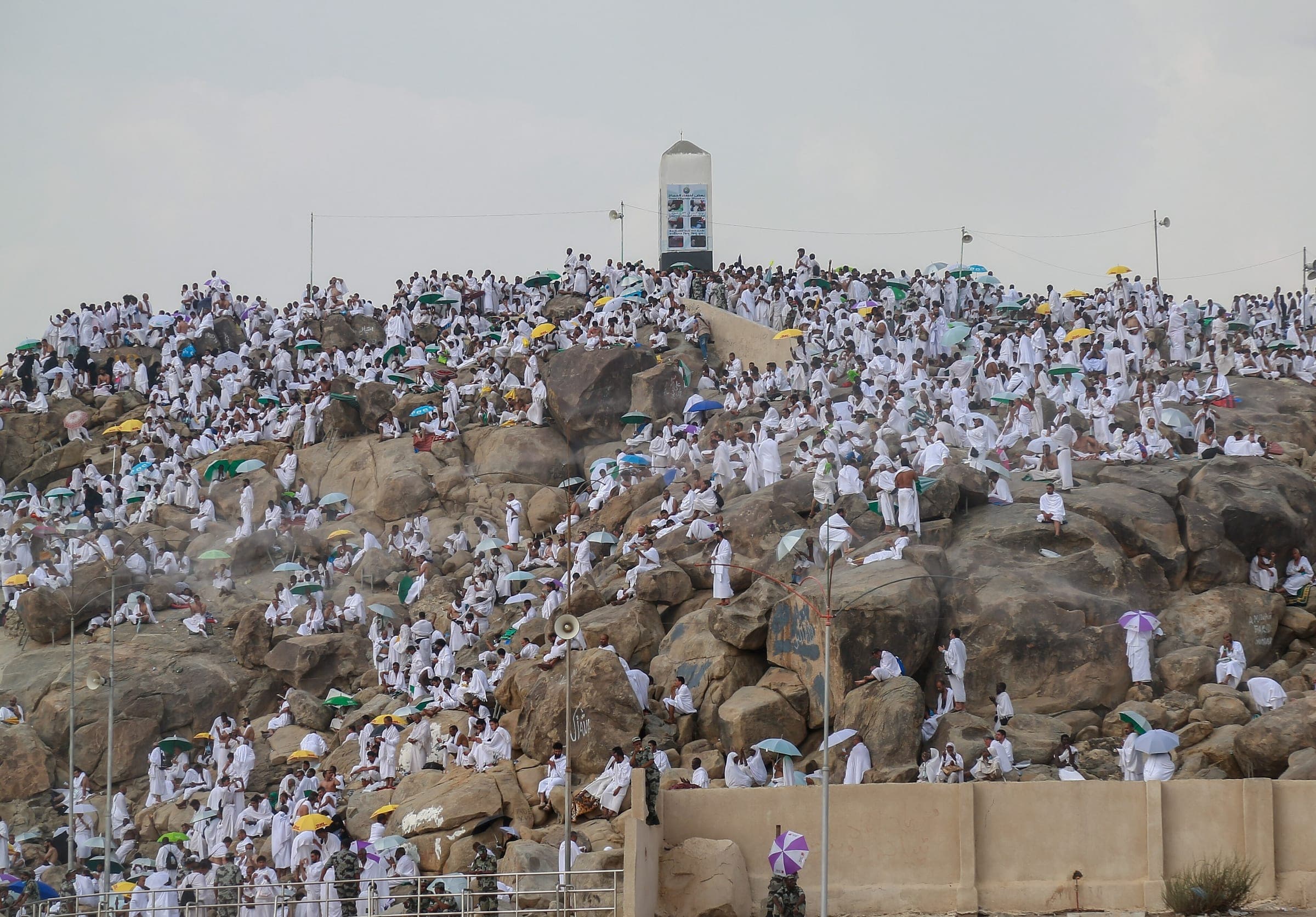
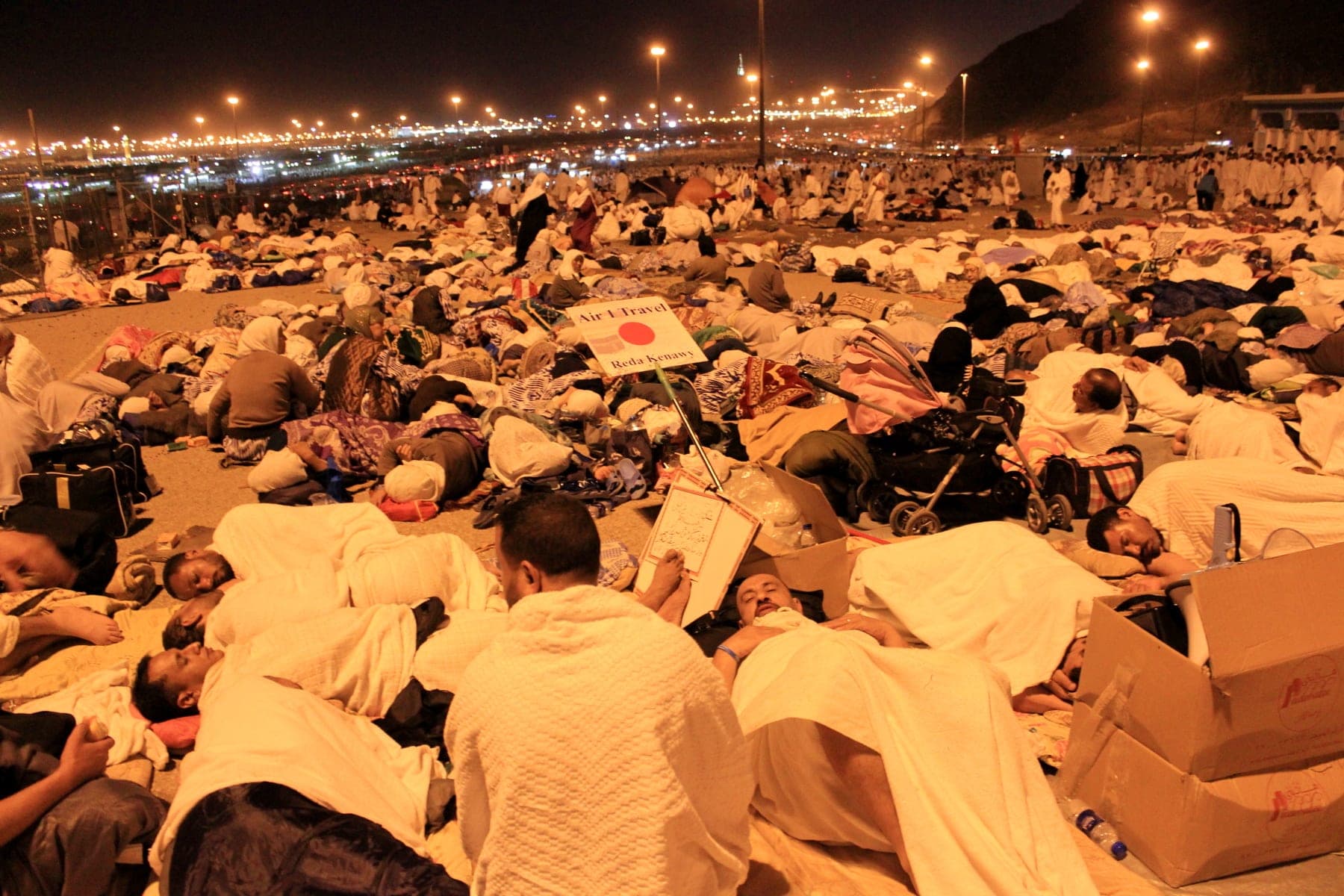
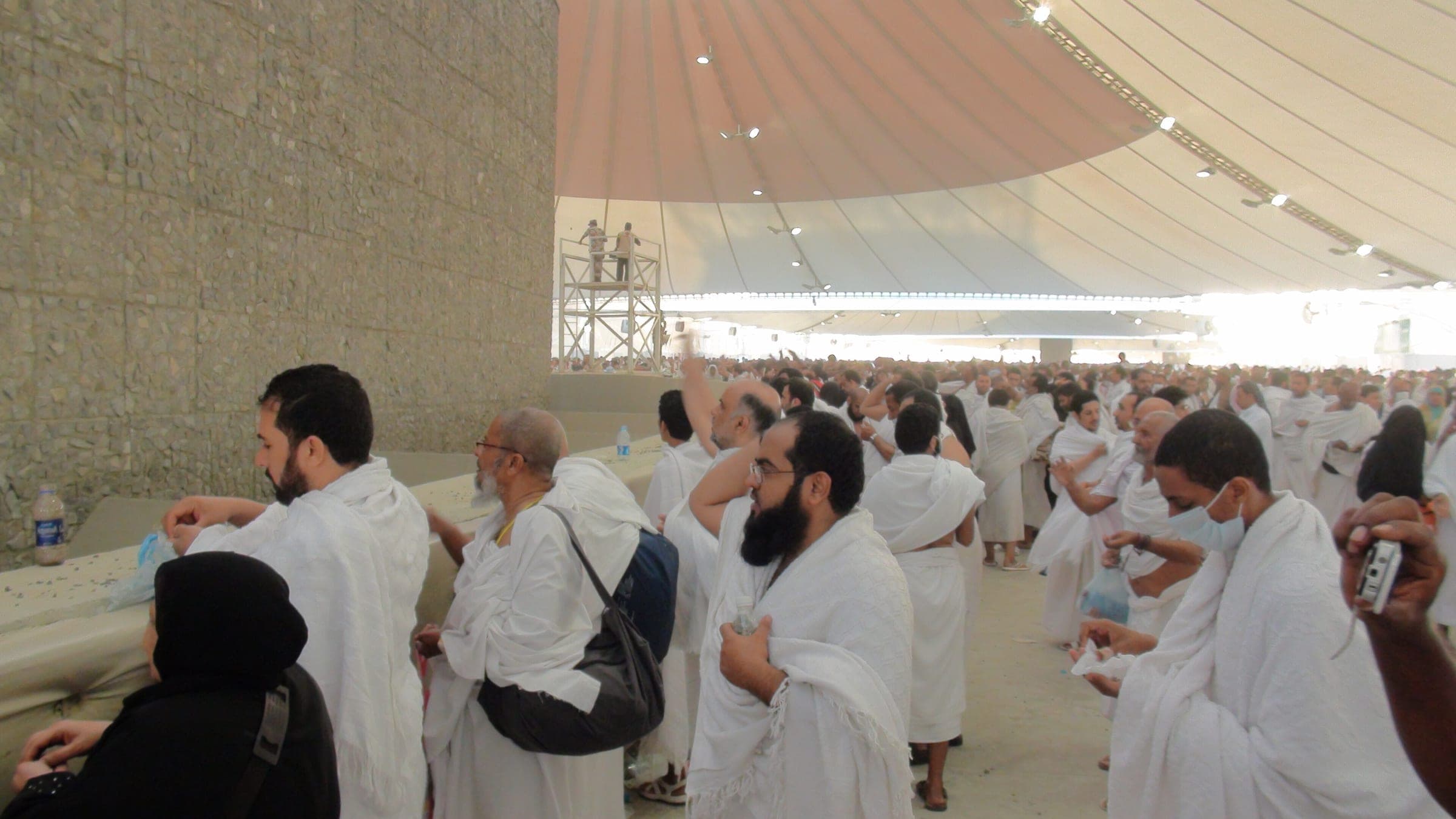
Hajj is the fifth pillar of Islam. Unlike Umrah it is performed once a year, from the 8th to the 13th of Dhul Hijjah, and as much of it happens outside Makkah as at Masjid al-Haram: the day at Mina, the standing at Arafat, the night at Muzdalifah, then the stoning at the Jamarat.
The journey is a regulated one: places are allocated by country and, in Morocco, organisation falls to the Ministry of Habous and Islamic Affairs, with a share entrusted to licensed agencies. The number of places, the registration calendar and the official amount are published each year and cannot be guessed at in advance.
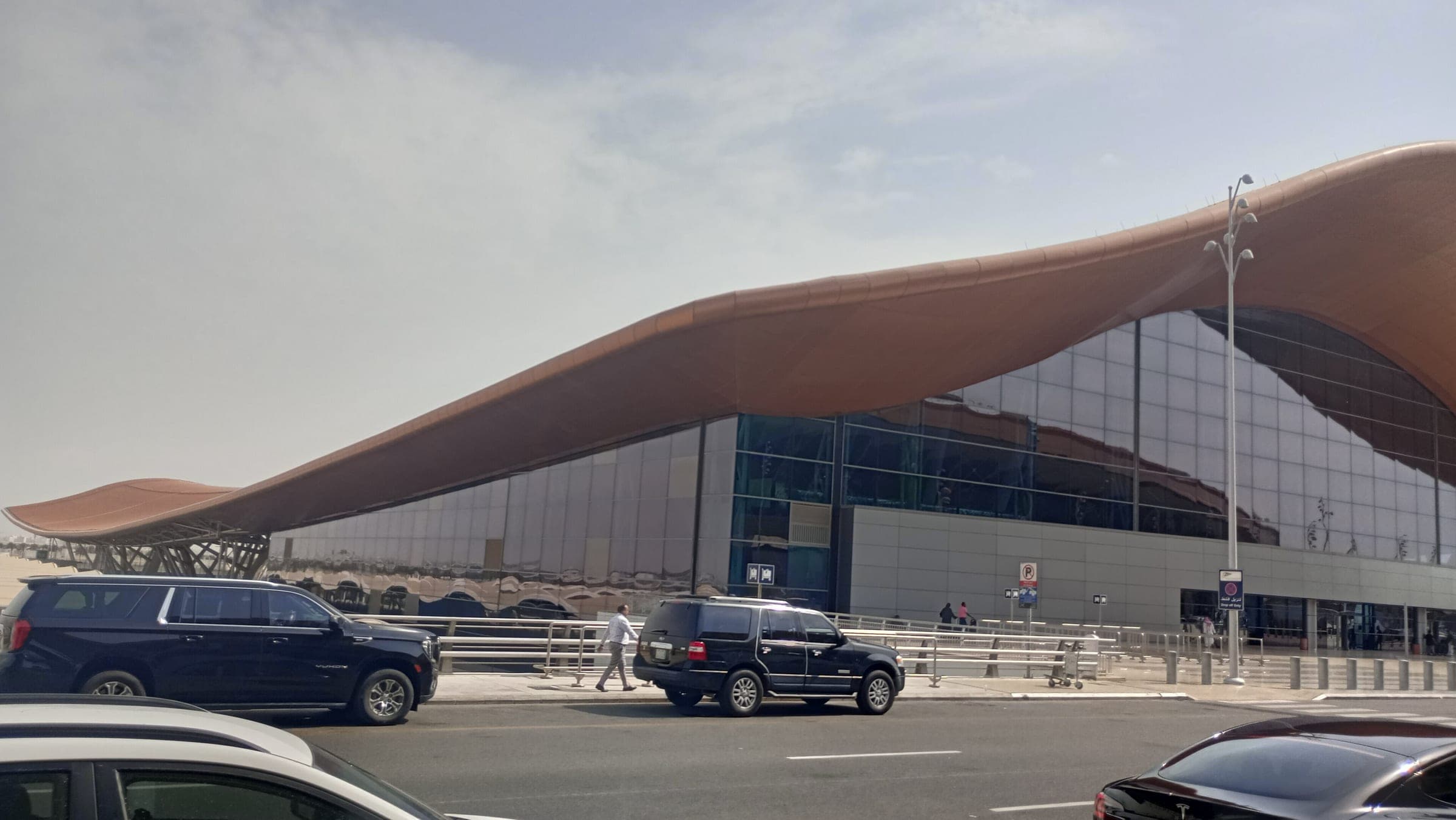
What we prepare does not change from one case to the next: the flight, accommodation in Makkah and Madina chosen by its distance from the mosques, transfers, the Mina camp and accompaniment throughout the rites. Hajj visa conditions and registration procedures are checked with you at the time of booking.
The stops
Length and budget
Length and budget are settled together: this route works over a few days as well as spread across two weeks.
Along the way, in Saudi Arabia
Frequently asked questions
When does Hajj take place?
On the fixed dates of 8 to 13 Dhul Hijjah, the last month of the Hijri calendar. Because that calendar is lunar, the period moves about eleven days earlier each Gregorian year.
Can you go on Hajj without going through the ballot?
In Morocco places are capped: part of the allocation is made by the Ministry of Habous and Islamic Affairs, the rest goes through licensed agencies. We tell you which route is open for the current year rather than state a general rule, since quotas and procedures are republished each season.
How does it differ from Umrah?
Umrah can be performed all year and its rites are held at Masjid al-Haram. Hajj falls on fixed dates, adds the stations of Mina, Arafat and Muzdalifah, lasts longer, and comes under its own framework of organisation and quotas.