Experience
The capital of the kingdom and an imperial city, UNESCO-listed in 2012, at the mouth of the Bouregreg.
Rabat is Morocco's political capital and one of the four imperial cities. The listing “Rabat, Modern Capital and Historic City” has been a UNESCO World Heritage site since 2012, covering the early 20th-century new town as well as the medina and the kasbah.
The city holds the south bank of the Bouregreg, facing Sale, to which a tramway has connected it since 2011. It is the greenest and quietest of Morocco's large cities, and the easiest to walk.
It is also the city of our own region: Kenitra, where the agency is based, is some forty kilometres away, under an hour by road or by train.
An Almohad minaret begun in 1195 and left unfinished, about 44 metres tall.
Completed in 1971, facing the Hassan Tower, open to visitors.
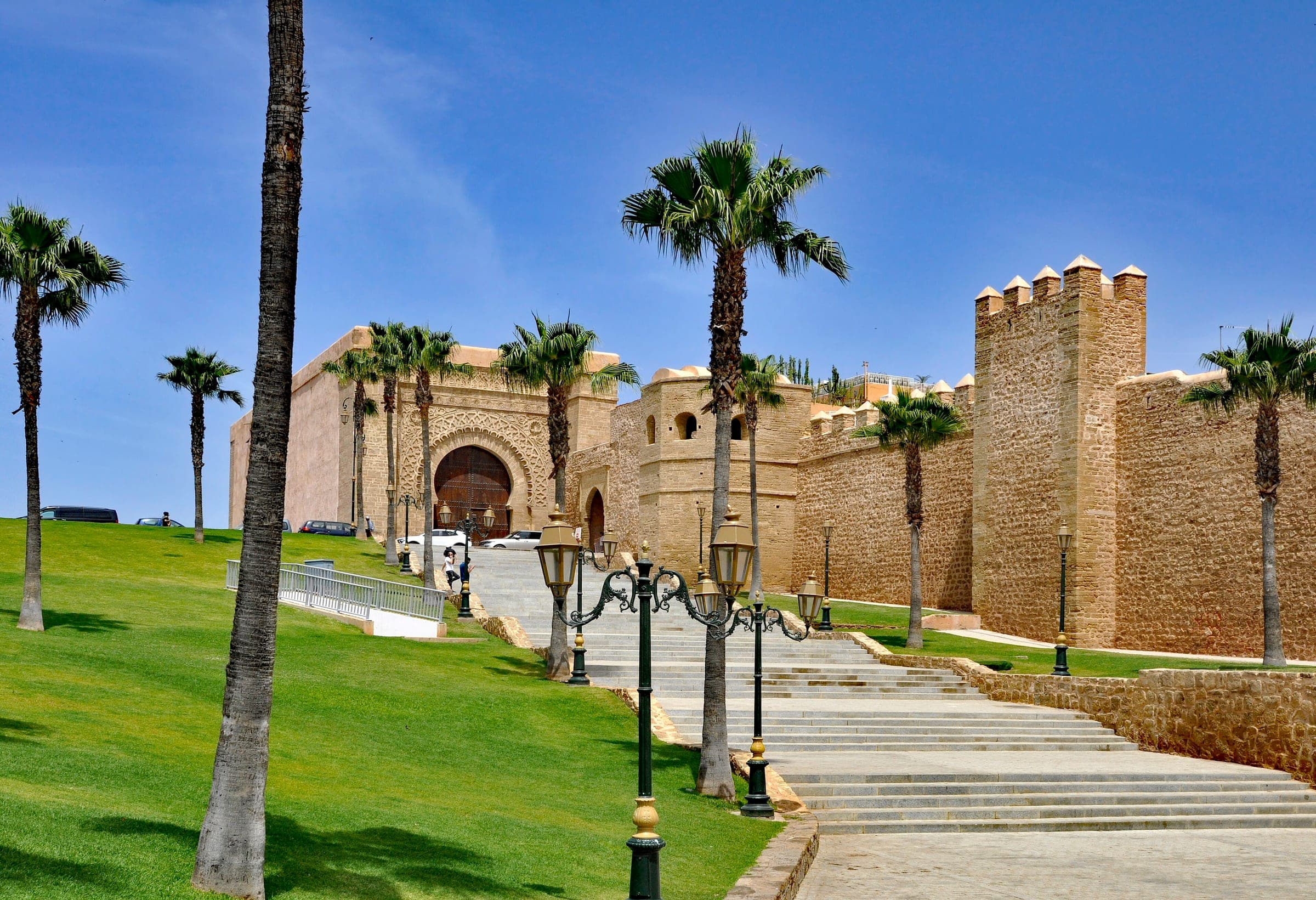
An Almohad fortress above the ocean: Andalusian garden and a 12th-century gate.
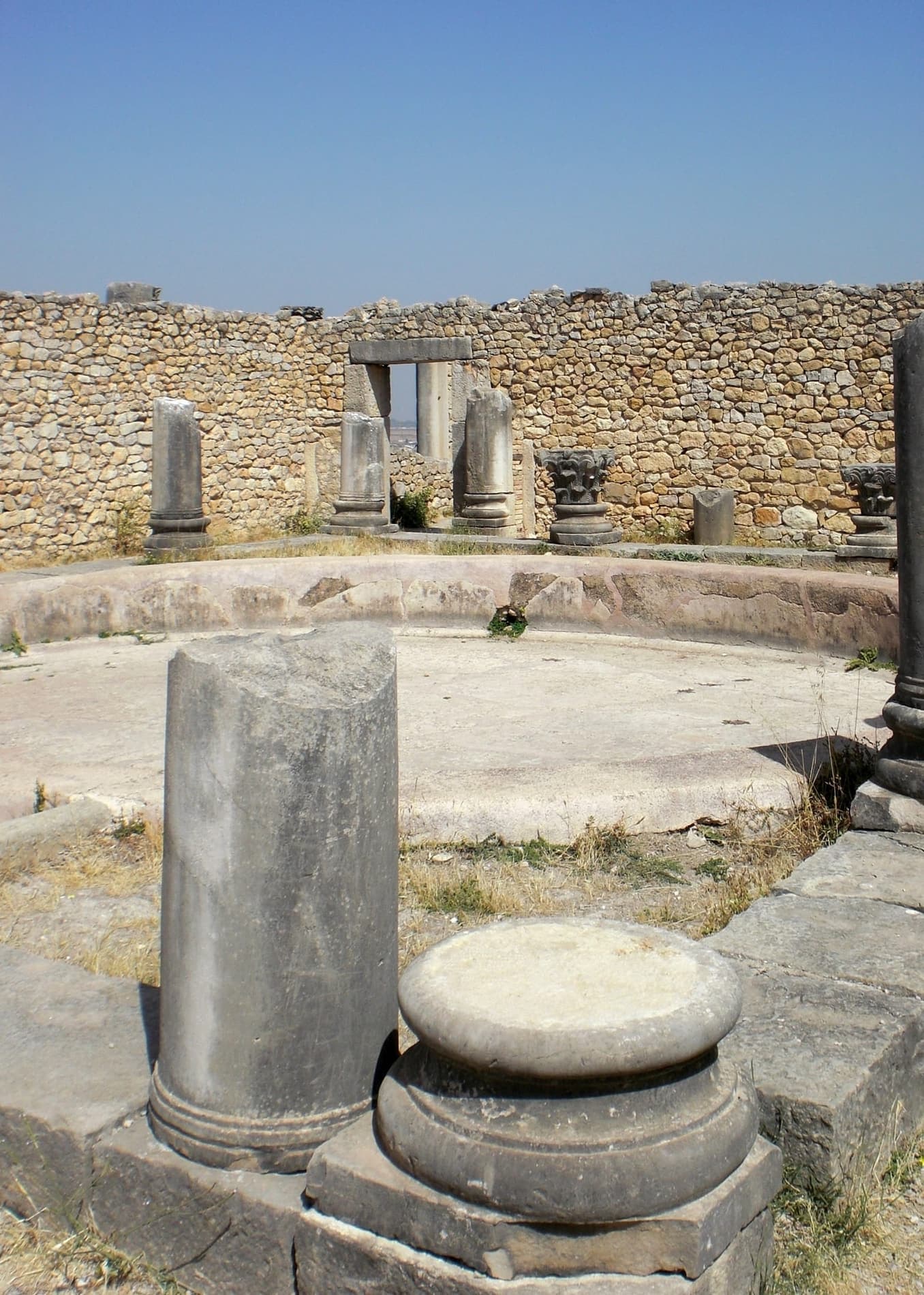
The Roman city of Sala, later a Marinid necropolis; storks nest on the ruins.
Smaller and more regular than those of Fez or Marrakesh.
Museum of modern and contemporary art, opened in 2014.
March to June and September to November. The Atlantic tempers the summer; winter stays mild but rainy.
A full day covers the Hassan Tower, the Kasbah of the Udayas and the medina. Two days let you add the Chellah, the Mohammed VI Museum and a crossing to Sale.
By train. Rabat is on the Al Boraq high-speed line, which puts Tangier a little over an hour away, and Casablanca about fifty minutes on the fastest services.
Yes, and it is often underrated. It is the most open of the imperial cities, with dense heritage held within a few kilometres and far fewer visitors than Marrakesh.